



Art & Science par 4 chemins" educational trail
Thématique du parcours : la couleur
Depuis la création de notre univers, la couleur est présente. Pourtant ce n’est pas un élément mais un phénomène physique, une oscillation, un sentiment, une émotion. En effet, « la couleur est l'endroit où notre cerveau et l'univers se rencontrent » disait Paul Klee.
Peut-on seulement s’imaginer ce que serait un monde sans couleurs ? C’est impossible car elle est partout, une fleur, le ciel, un oiseau, les yeux d’un être cher, une toile de Monet… et cette onde souvent nous fait vibrer à l’unisson. Mais qu’est-ce que la couleur exactement ? Pour quelle raison voit-on le ciel bleu et un coquelicot rouge ? Toutes les espèces ont-elles la même vision des couleurs ?
Le parcours « Art et Science par 4 Chemins » va essayer de répondre à toutes ces questions.
7 établissements proposent ce parcours pédagogique :
- L’Écolothèque,
- Le site archéologique Lattara – musée Henri Prades,
- Le musée Fabre,
- Le parc zoologique de Montpellier,
- Planet Ocean Montpellier,
- Le MO.CO. Montpellier Contemporain,
- La pharmacie de la Miséricorde.
Ils réunissent leurs compétences pour accueillir 30 classes de cycle 3. Chaque classe retenue bénéficie de 4 animations pédagogiques sur une sélection d’établissements.
How to register
Registrations are closed for the 2024-2025 school year. See you in May 2025 for those for the 2025-2026 school year.
- Target audience : CM1, CM2 and 6ème classes from the communes of Montpellier Méditerranée Métropole.
- Configuration : the educational course is organized in 4 half-days spread over the year.
- Fee : a single fee of €7 per child is charged for the entire course. It covers admission to Planet Ocean Montpellier. This establishment offers one free accompanying adult for every 8 children.
At the ecolibrary
Everything is color, and nature is the best example of this. When they come to the Ecolothèque, classes benefit from one or two of the three activities offered by the Resource Center. Depending on the date of their visit, pupils can, for example, take part in the "en voir de toutes les couleurs" (see all the colors) trail, and as they go along, discover why animals, plants and even the sky, sometimes take on extraordinary hues.
At other times, we offer the class two simultaneous workshops:
- "Light on color" looks at the physical origin of color, its mysteries, how we or other animals perceive it.
- "Dye your fabric!" puts into practice the use of natural dyes and let's set off to meet dye plants. Whatever the theme, each intervention is made up of experiments and concrete, sometimes surprising, discoveries.
At the Lattara archaeological site - Musée Henri Prades
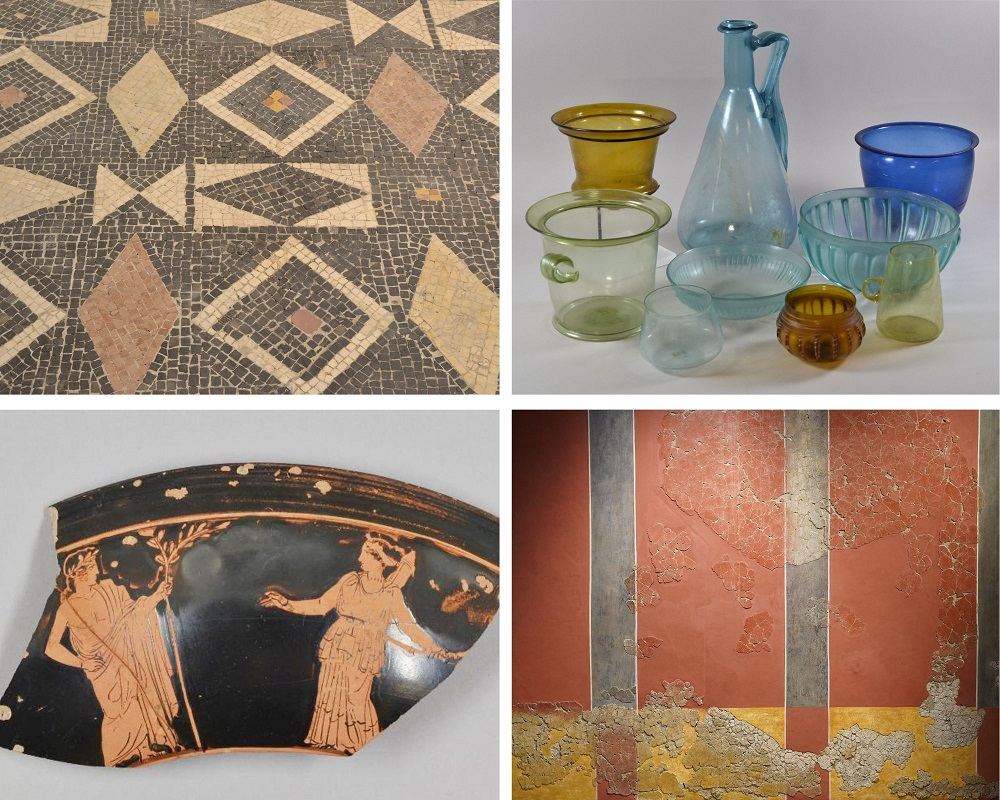
In ancient times, the port of Lattara was a crossroads of civilizations, where different peoples mingled: Etruscans, Greeks, Iberians, Romans and local Gallic populations. Each with their own know-how, they were able to offer the city a wealth of riches that archaeologists have been unearthing since the site was discovered in 1963.
Such as the mosaics, painted plasterwork, blown glass and decorated vases that have been unearthed shed light on millennia-old techniques. For these creations, ancient craftsmen and artists knew how to use oxides and minerals giving rich colors to these objects.
Together, we'll discover their manufacturing secrets, and how they evolved over the centuries from their creation to their discovery. In this way, we'll see that color, in addition to being decorative, can also be an important clue in archaeological science, particularly with the oxidation of metals.
At Planet Ocean: astronomy and aquatic ecosystems
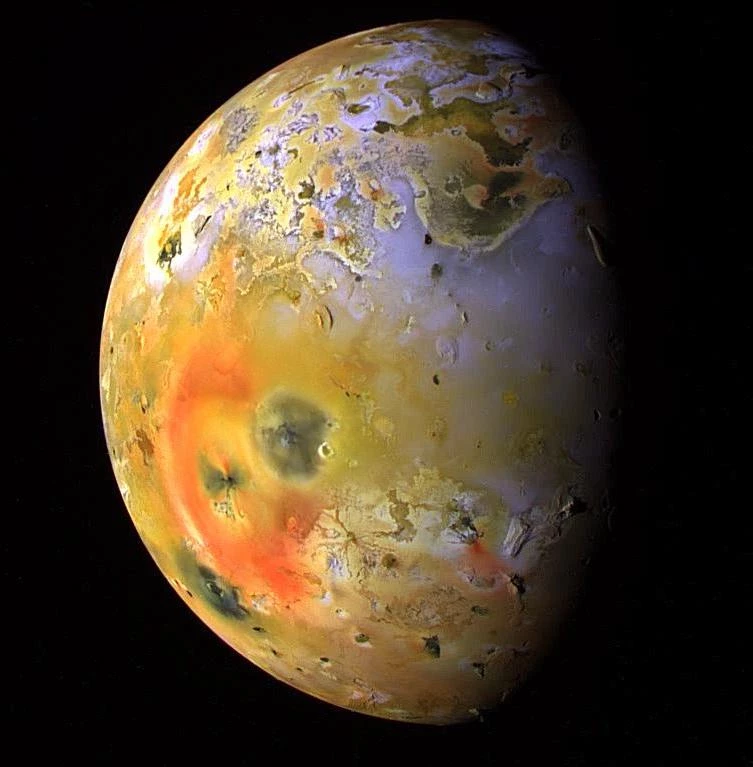
The sky offers us an infinite number of colors, but the main one we enjoy on Earth is the white light of the sun. To understand the workings and life of the sun is to decipher the mechanisms at the heart of the stars that enable them to produce this heat and light.
White light in the case of the sun is actually made up of all the colors of the rainbow. This variety of color is found in the stars, but it has a very different meaning from the panoply of colors offered to us by celestial phenomena observable from Earth or the objects of the cosmos themselves.
In addition to observing the spectacle of the sky from Earth, this planetarium session will also be an opportunity to explore the solar system, from the telluric planets to the farthest reaches of the Kuiper Belt and the Oort Cloud, to discover a multitude of worlds as varied as the colors that make them up...
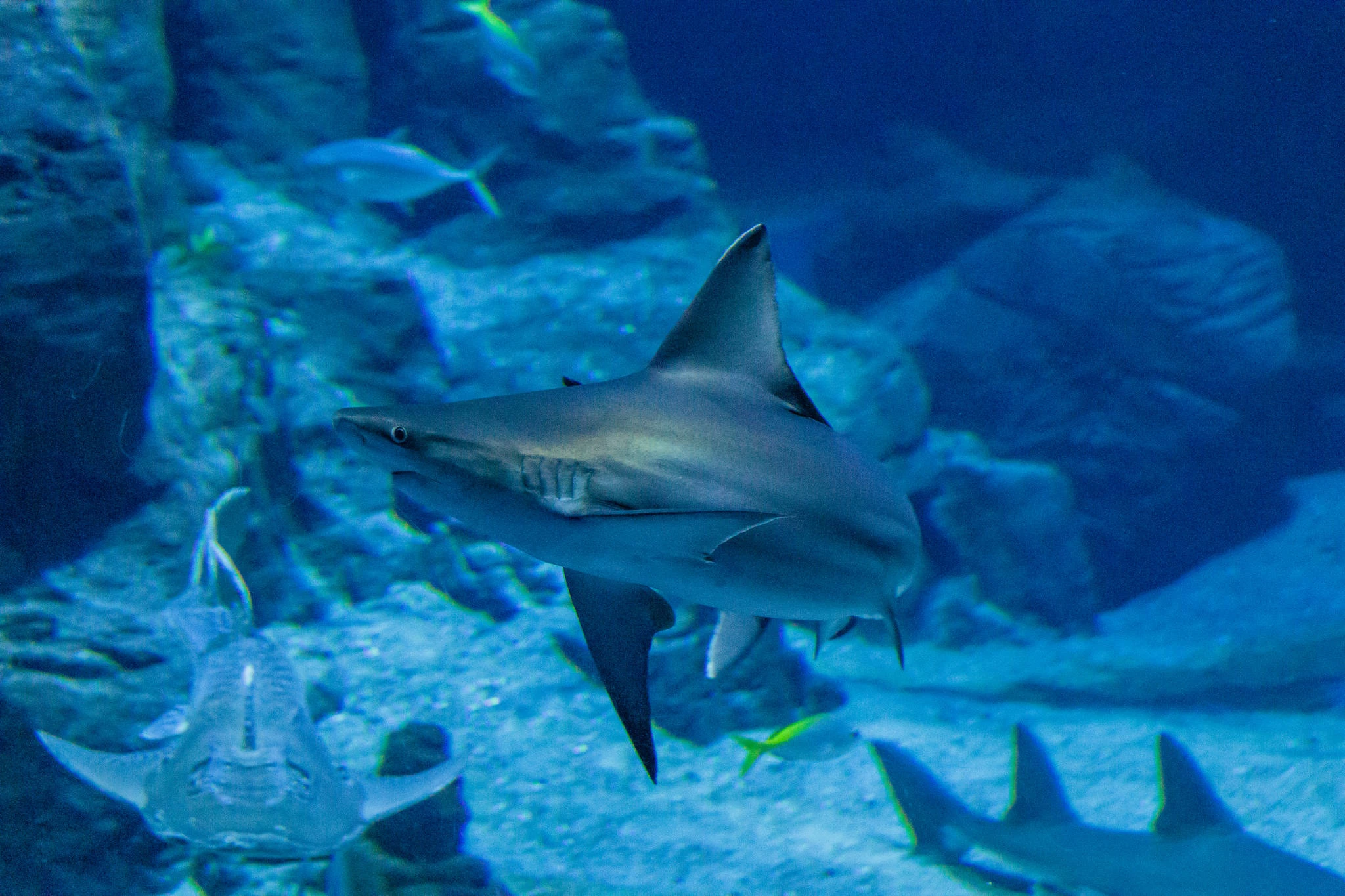
The tanks at Planet Ocean are home to more than 300 species in a variety of different, complex colors and patterns. While the colors of coral lagoon fish or freshwater rays delight our human eyes, they're not there for ornamental reasons alone.
How do aquatic animals perceive colors? Do these colors have a meaning? Why are some striped, others silvery or mottled? Can they change color in the course of their lives?
These questions will first be tackled in the classroom, so that pupils can discover the secrets of color vision, before setting off on a "photo rally" at certain stops along the tour route, to meet these species.
At the Fabre Museum
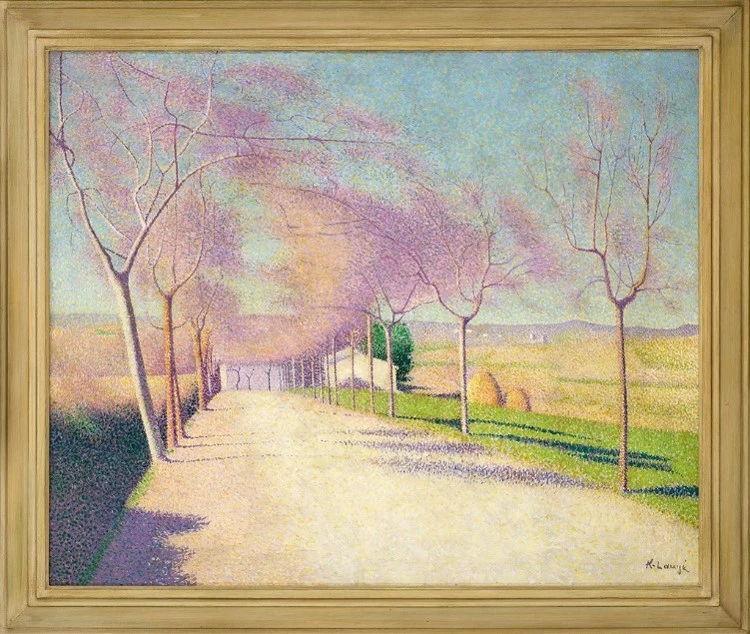
Museum artworks, whether figurative or abstract, employ numerous colors, whose combinations allow for infinite variations.
Colors come from pigments, first developed from natural elements (pigments of plant, mineral or animal origin) and later, from the 19th century onwards, from chemical components. The many experiments carried out by painters throughout history have led to results that are sometimes spectacular, challenging our sense of observation and the way our eye sees.
The museum tour, tailor-made for the occasion, will use specific examples to present these different sides of color.
Montpellier Zoological Park
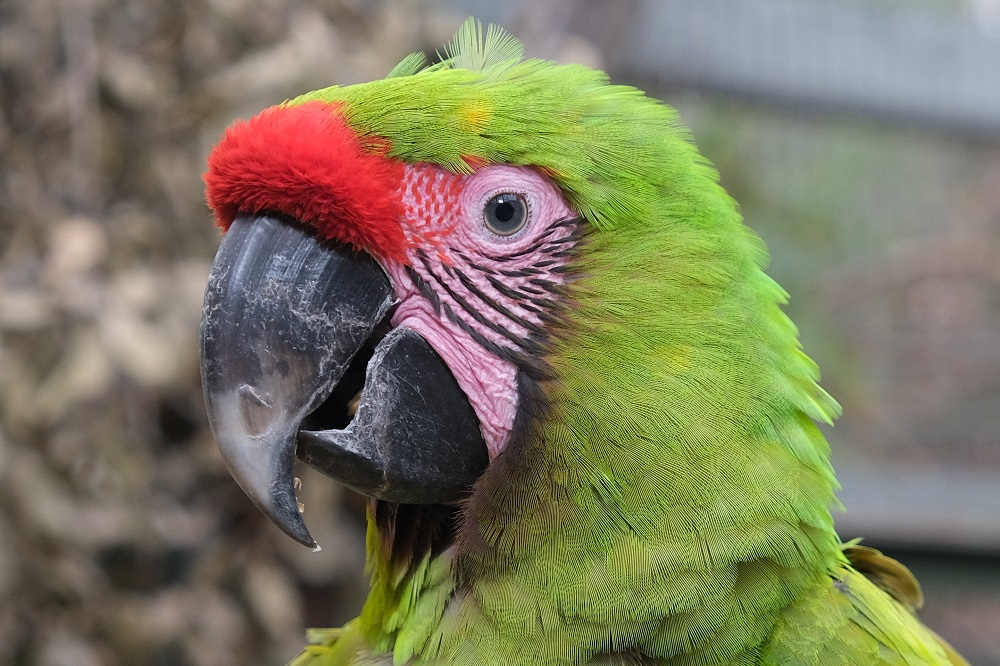
The world around us is teeming with color in both animals and plants. But how does such a diversity of colors exist in nature? What are they made of? What's the point of being variegated or less colorful?
To answer these questions, the Montpellier Zoo invites children to become explorers for the duration of a guided tour. They'll set off to discover some of the park's animals, and learn about the wealth of colors to be found among the local and exotic fauna. Using their sense of observation and reflection, pupils are led to understand the different functions of colors in animals.
At MO.CO.
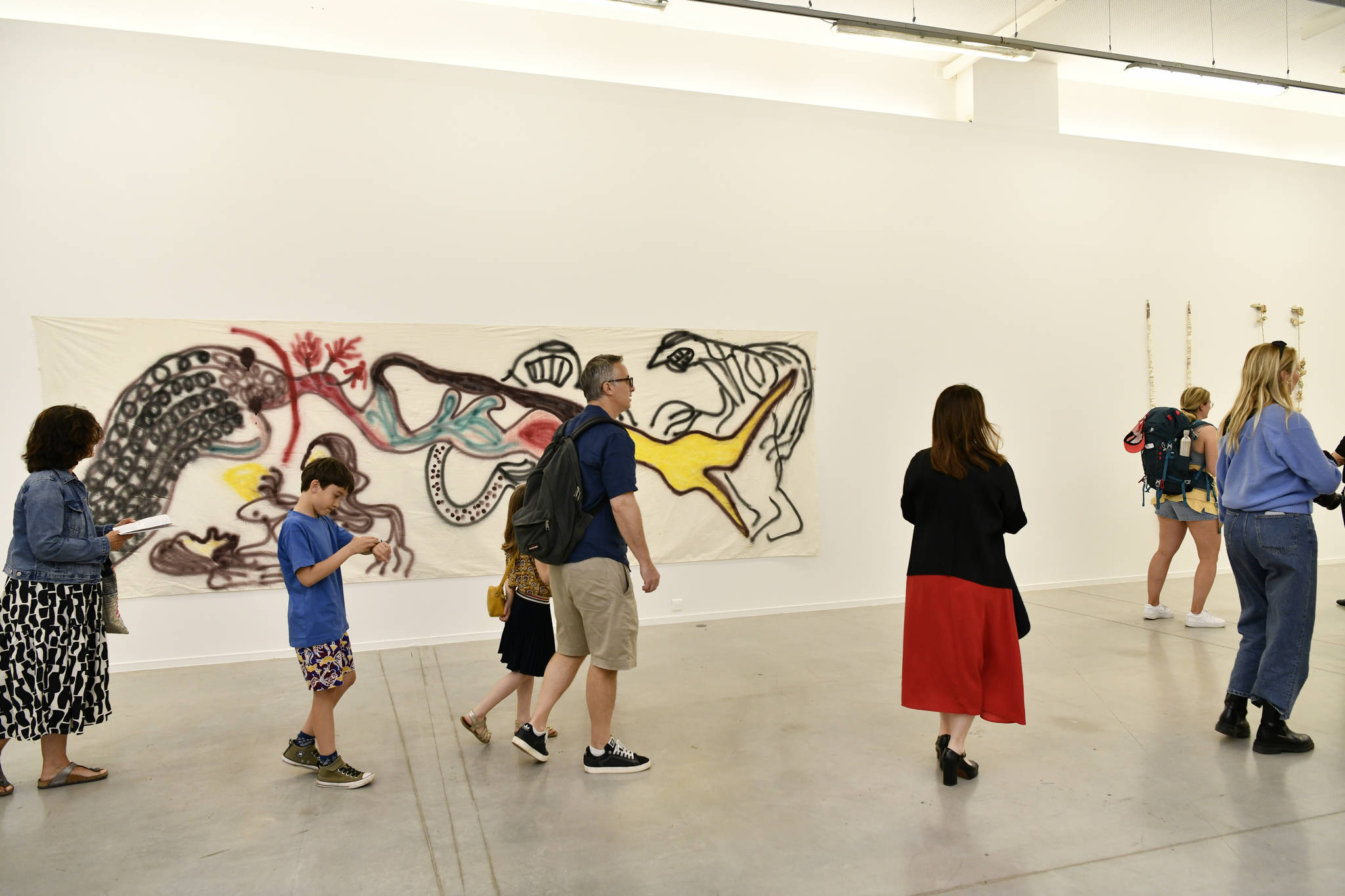
Color has always occupied a central place in art. What is the range of possibilities available to contemporary artists in their approach to color? How do we, as visitors, perceive them?What emotions and symbolism do we associate with artworks through color?
Here's an overview of the questions that will be addressed during this tour. After careful observation of the works using a variety of tools, students will be invited to take part in a visual arts workshop. Using the colors studied during the visit, different instructions will be given: paint a hue from memory or from a statement. The class will leave with a collective color chart.
At the Miséricorde pharmacy
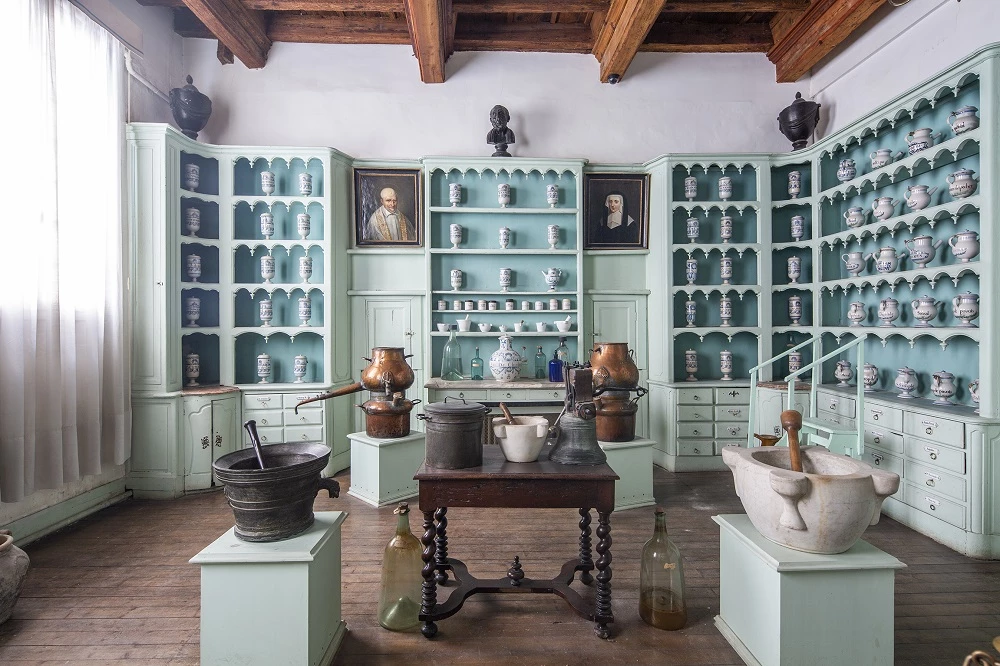
Pushing open the doors of the pharmacie de la Miséricorde, we discover that color has always been part of the apothecary-pharmacist's daily routine. The incredible collection of pharmacy jars preserved here takes us back several centuries, to the colorful stalls of an old Montpellier apothecary.
The names of the remedies also reveal a whole palette of different hues derived from the plants or other substances used. Colors vary during the manufacture of medicines, or during their storage. They can even be useful in identifying the preparations or the diseases they are intended to treat. During this visit-workshop, students will be able to discover the particularities and symbolic or practical roles of colors in modern pharmacy as in the apothecary of past centuries.